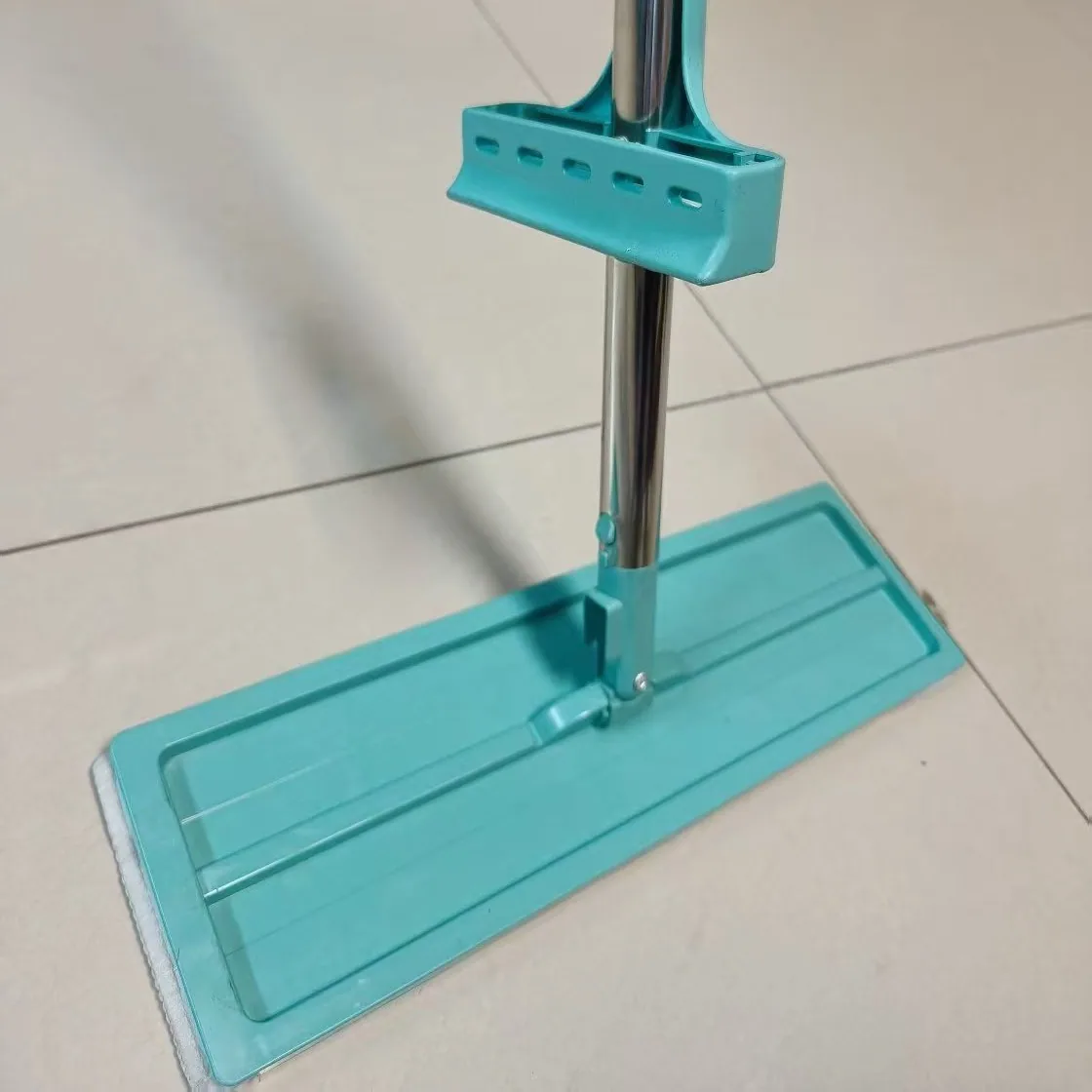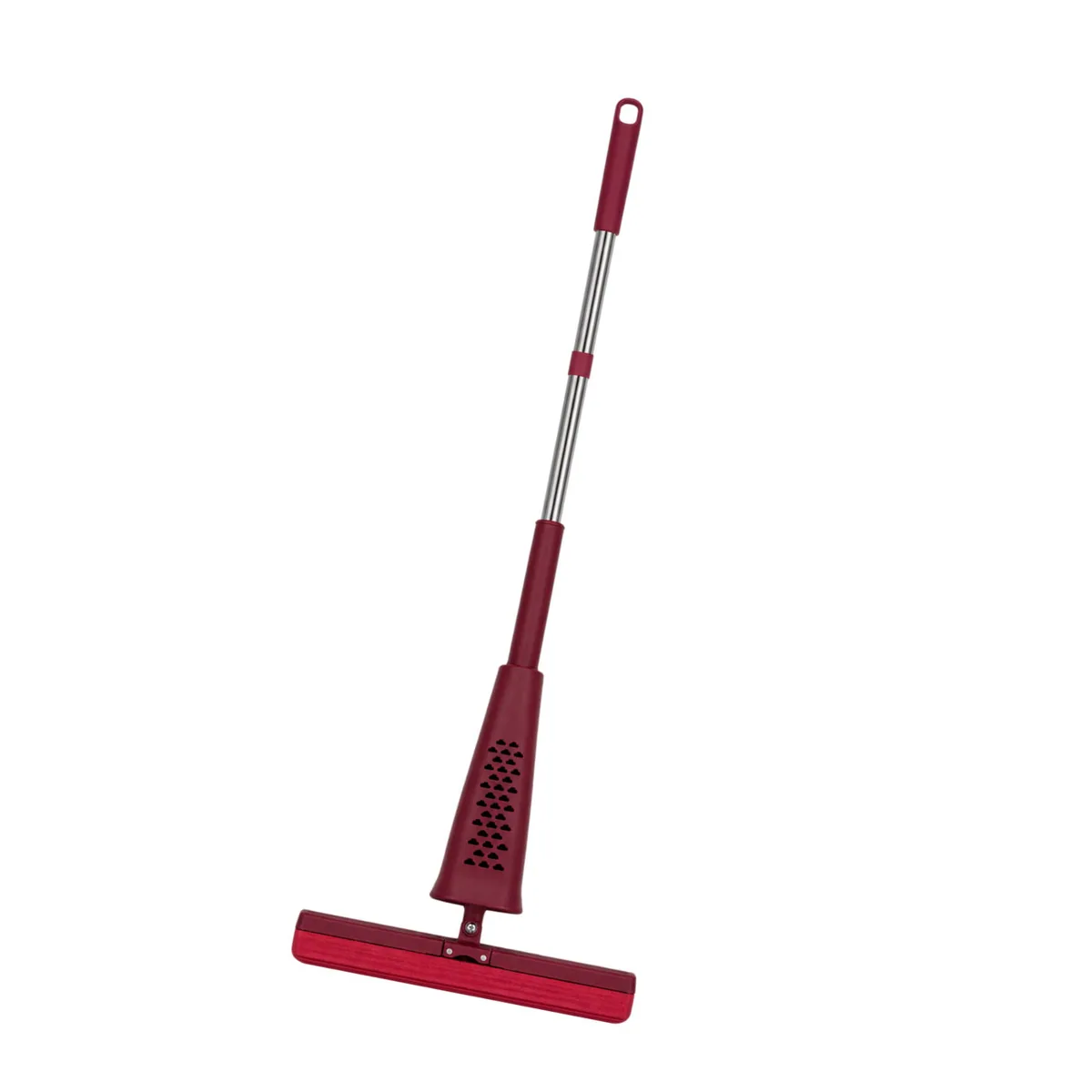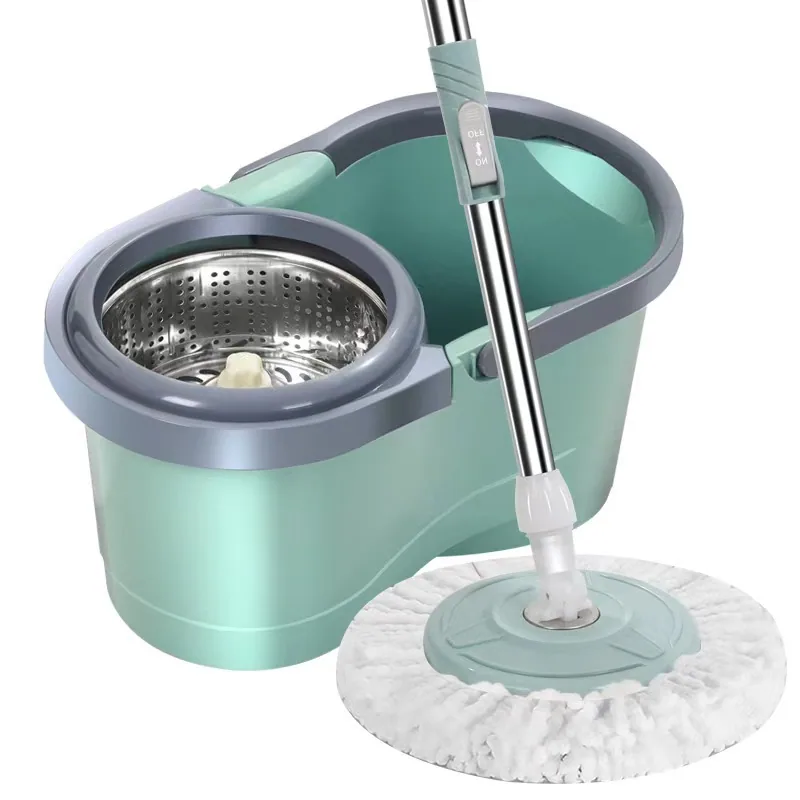
How Often to Replace a Mop Head, and Why Refills Matter to Retailers
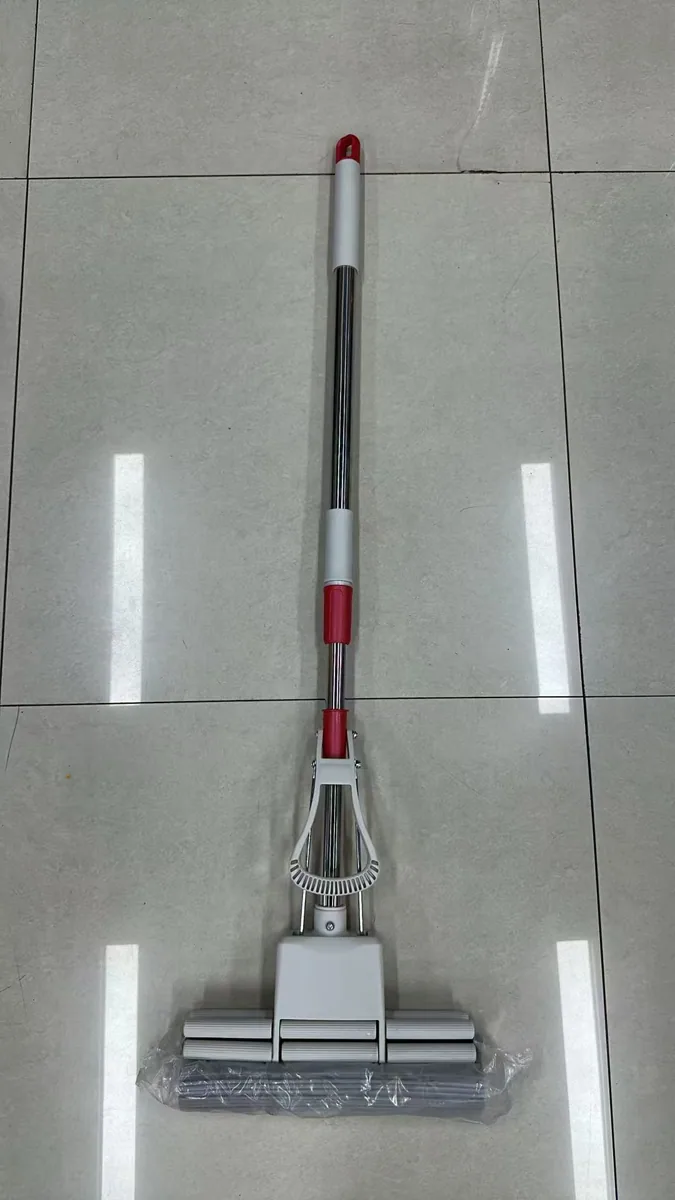
Ask ten households how often to replace mop head and you get ten different answers, most of them guesses. Fair enough. No calendar rule survives contact with real floors, real water and real habits. A mop head is a wear part: it picks up grit, grease, hair and microbes every time it touches the floor, and it gives a little less back each week. So skip the number and give shoppers something better, the visible signs that say this head is done. Buyers should care for a commercial reason. Every sign you teach is a refill your shelf can sell.
Material sets the clock, not the packaging
Four head types behave in four different ways, and that changes how fast they wear.
PVA sponge is polyvinyl alcohol, a dense open-cell material that ships hard and turns soft and thirsty once it wets up (Wikipedia). It is superb on spills and smooth tile. It is also the head most easily ruined by neglect, because a sponge left standing in dirty water for days has nowhere to go but downhill.
Microfiber works differently. Split polyester and polyamide fibres are finer than a human hair, and they trap grease and fine dust mechanically rather than simply soaking them up (Wikipedia). Pads like these mat down when they are washed with fabric softener or dried on a hot radiator, and a matted pad stops grabbing.
Cotton yarn is the old reliable. Looped-end yarn keeps its twist through repeated laundering, which is why it still shows up in schools, canteens and contract cleaning. Cut-end yarn sheds from day one.
Then there is water hardness, floor type and how hard the user leans on the handle. All of it moves the replacement point. Anyone quoting you a fixed week count is guessing.
Five signs a head is past its best
These are the cues to put on the pack, the shelf talker or the product page. They are honest, easy to check and they apply to every material.
| Signal | What you see | What it means | Right response |
|---|---|---|---|
| Odour | A sour or musty smell that survives a rinse | Bacteria and biofilm have settled into the fibres or sponge pores | Replace the head, and fix the drying habit |
| Matting | The pile lies flat, the sponge stays compressed, the pad feels slick | The structure that holds water and grit has collapsed | Replace, and stop using fabric softener on pads |
| Shedding | Loose fibres or sponge crumbs on the floor after a pass | Yarn twist or sponge cell walls are breaking down | Replace before it becomes a customer complaint |
| Stains and greying | Permanent dark patches that washing will not lift | Soil is trapped inside the material, not on the surface | Replace, or keep it for the garage only |
| Performance drop | Water streaks, smearing, a head that pushes dirt around | The head has stopped absorbing and releasing properly | Replace. This is the sign shoppers notice first |
When to replace mop head: read the job, not the calendar
A head used daily in a busy kitchen reaches the odour stage far sooner than one used twice a week in a spare bedroom. Mop head replacement should follow use, not the seasons. Two quick rules work well for end users.
First, replace when two of the five signals show up together. One flat spot is survivable. Odour plus shedding is not. Second, replace when the head no longer releases water cleanly, because a head that smears is spreading the dirt it just picked up.
For retailers, that translates into a simple piece of on-pack copy: hesitate and you are mopping with yesterday's floor water. Blunt, but people remember it.
Care that stretches the life of a head
Most early failures are storage failures. Rinse the head after every wet use, wring it as dry as the frame allows, and hang it so air reaches the fibres. A head left in the bucket overnight is halfway to the odour stage already.
- Microfiber pads: machine wash warm, no fabric softener, air dry. Softener coats the split fibres and kills pickup.
- PVA sponge: do not leave it soaking for days and do not twist it hard. Let it dry out between uses. Hard and dry is normal.
- Cotton yarn: launder hot where the frame allows. Looped-end yarn tolerates it; cut-end does not.
- All types: skip harsh bleach on a routine basis. It shortens useful life and it is rarely needed if the head dries properly.
Our own range is built around this. Mopglo heads come in PVA sponge, chenille microfiber, 4-ply and 8-ply cotton yarn, and 80/20 polyester-polyamide microfiber pads, so a buyer can offer one care story per material instead of one vague claim for all of them. You can see the head line on our mop heads page and the frames they fit under sponge mops.
Why refills matter to retailers
Most mop ranges lose money on the back end, not the front. A mop sells once. A refill sells again, and again, to the same household, without a new customer acquisition cost. That is the whole argument, and it is why refills deserve shelf space next to the mop rather than a dusty peg two aisles away.
Say you run a hardware chain with a seasonal cleaning aisle. A mop on its own is a one-off purchase with a long replacement gap. A mop with a clearly compatible refill hanging on the same hook turns a single transaction into a repeat visit, and it answers the shopper's real question at the moment she asks it: which refill goes with this handle?
Three things make that work.
- Compatibility on the front of the pack. A photo of the frame the head clips into beats a paragraph of specification.
- Refill multipacks. Two or three heads in one pack suits households that clean often and hate reordering.
- Own-brand refills. Private label heads with your logo and your colour carry your margin instead of the brand owner's.
One more point, and it is practical: refills are light and compact compared with bucket sets. Container loading and warehouse picking get easier, which matters if you are consolidating mixed cleaning orders. History backs the category too, since the mop has been a household staple through more than a century of material change (Wikipedia).
Specifying a refill line that fits your market
Start with the frame, not the fibre. Clip-in, slide-in and roller-squeeze frames each take a different head, and a 28 cm foldable PVA head will not serve a customer with a 33 cm plate. Measure the plate, note the fixing method, then choose the material.
Climate matters as well. Humid markets reward a head that dries fast and resists odour. Markets with lots of smooth tile and stone tend to move sponge and microfiber faster than heavy cotton.
Our OEM route covers the details that make a refill line yours: pantone-matched colours or colour samples, logos by embroidery, silk print or heat print, colour boxes and carton marks, and adjustment of mop head material to suit a market. A pre-production sample is confirmed before mass production, so nobody is guessing. OEM minimums run from 2,000 to 8,000 pieces per style per colour, and stock items carry their own minimum on the listing. The 28cm Foldable PVA Sponge Mop Head, for example, sits at a 1,500 piece minimum. Full detail is on OEM and ODM. If you are still choosing which mop types to lead with, our guide to mop types and the microfiber pad guide are useful background.
How to start an order with us
Zhejiang Chuangjie Commodity Co., Ltd. has been making household cleaning tools in Yiwu, Zhejiang since 2006, with a showroom of more than 200 square metres in the International Trade Mart and 3,000+ SKUs across mops, brushes, rags, trash cans and window cleaners. Mopglo is our product brand.
You can buy two ways. Pick stock items from the range and order against the minimum shown on each listing, or go the OEM route for your own colours, packaging and logo. Tell us the market, the frame type, the material you want and the pack format, and we will come back with options. One email is enough: mopglohome@gmail.com. The contact page and quote form work too. Products pass a drop test before leaving the factory, and export handling runs end to end, from order confirmation and production scheduling to inspection, consolidation in Yiwu, customs clearance and FCL or LCL shipment.
Bring us the refill problem first. The mop sale follows.
FAQ
How often should a mop head be replaced?
There is no fixed interval that fits every home. Replace it when the signs appear: odour that survives a rinse, matted or slick fibres, shedding, permanent staining, or water streaks on the floor. A head used daily reaches that point far sooner than one used once a week, so read the condition rather than the calendar.
How do I know which refill fits which mop?
Match the frame first. Clip-in, slide-in and roller-squeeze frames each take a different head, and plate width matters, so measure it. Then pick the material: PVA sponge for spills and smooth tile, microfiber for grease and fine dust, cotton yarn for heavy laundering. Send us a photo of the frame and we will point you to the right head.
Do you sell mop heads separately from mops?
Yes. Our mop head line covers PVA sponge, chenille microfiber, 4-ply and 8-ply cotton yarn, and 80/20 polyester-polyamide microfiber pads, sold as refills alongside the mops they fit. You can browse them on our mop heads page and pair them with the sponge mops range.
What is the minimum order for private label mop heads?
OEM orders run from 2,000 to 8,000 pieces per style per colour, depending on the head and the level of customisation. Stock items carry their own minimum on each listing, for example 1,500 pieces for the 28cm Foldable PVA Sponge Mop Head. Email mopglohome@gmail.com with your target market and pack format for a specific answer.